After nearly 20 years of working on water heaters throughout the Waukesha area, I’ve learned one thing for certain: water heaters always fail at the worst possible time. Usually it’s on a freezing January morning when you’re already running late, or right before guests arrive for the holidays.
The good news? Your water heater almost always gives you warning signs before it completely gives up. The key is knowing what to look for and taking action before you’re stuck with cold showers and an emergency service call.
I’m Dave Treutelaar, owner of Waukesha Plumbing, and today I want to share the seven warning signs I see most often when a water heater is telling you it’s time for a replacement. Catching these early can save you money, headaches, and a whole lot of inconvenience.
Why Your Water Heater Matters More Than You Think
Let’s be honest – most of us don’t think about our water heaters until something goes wrong. It sits quietly in your basement doing its job, and we take it for granted. But during a Wisconsin winter, a reliable water heater isn’t just about comfort, it’s about keeping your home functional.
Hot water isn’t a luxury here. You need it for showers, washing dishes, doing laundry, and keeping your family comfortable. When your water heater starts failing, it can mean rising energy bills, potential water damage to your home, and costly emergency repairs.
The better approach? Learn to spot the warning signs early and plan ahead. That’s what I always tell my customers – and it’s what I’d want someone to tell me if I were in your shoes.
Warning Sign #1: Your Water Heater Has Hit the 10-Year Mark (Or Beyond)
I know what you’re thinking – “But Dave, my water heater still works fine!” And you might be right, for now. But here’s what I’ve learned after servicing hundreds of water heaters: age matters.
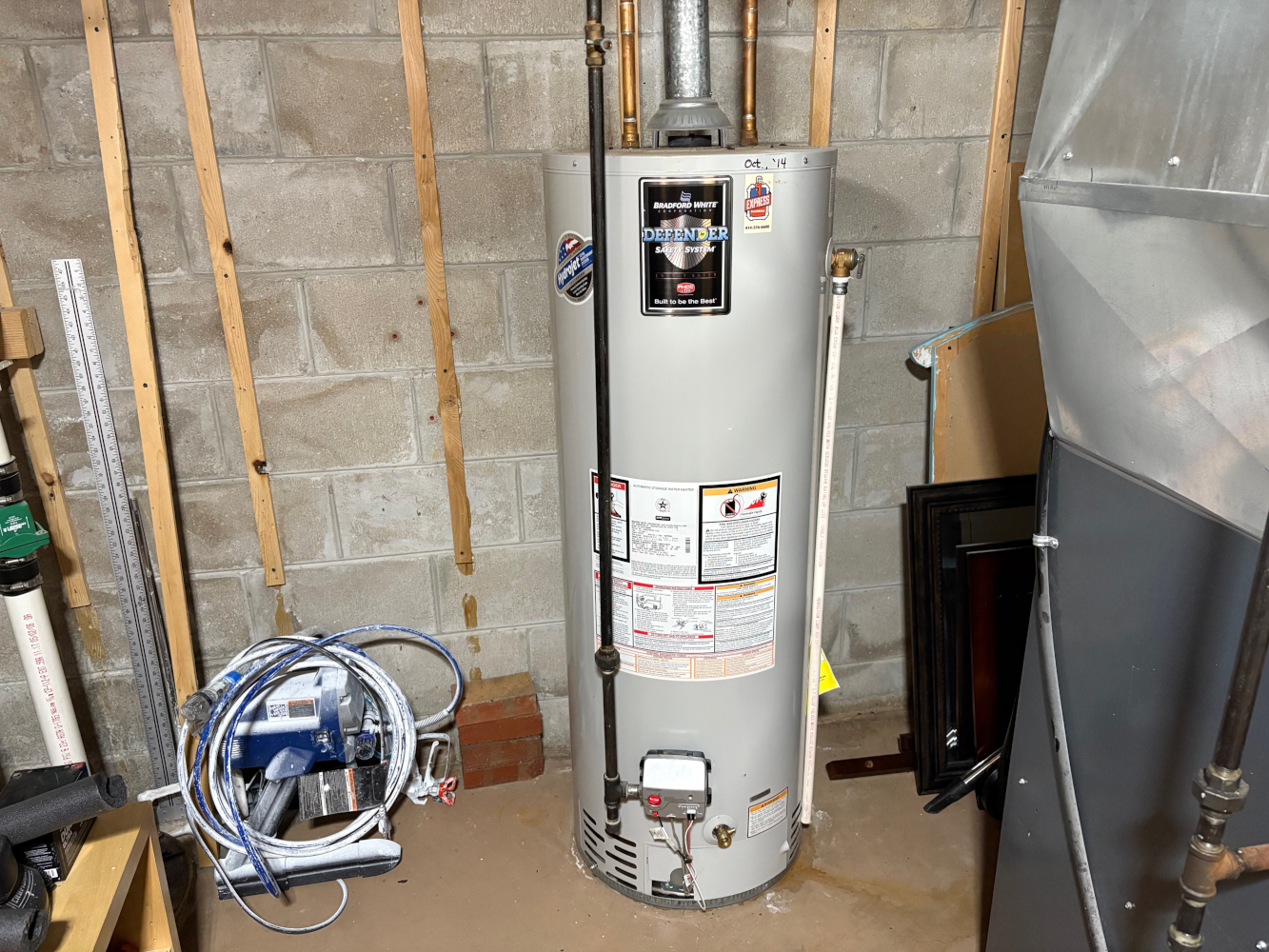
Most traditional water heaters are built to last eight to twelve years. Once your unit hits that 10-year mark, you’re living on borrowed time. The internal components start wearing down, efficiency drops, and the risk of catastrophic failure increases significantly.
I’m not saying your 10-year-old water heater will definitely fail tomorrow. But I am saying you should start planning. The last thing you want is to be forced into an emergency replacement in the middle of winter when you have no time to research your options or compare quality units.
Not sure how old your water heater is? Check the serial number on the manufacturer’s label. The first few digits usually indicate the month and year it was made. Give me a call if you need help decoding it – I’m always happy to help.
Warning Sign #2: You're Seeing Leaks or Moisture Around the Base
This one shouldn’t be ignored, even if it seems minor. Any moisture or pooling water around your water heater is a red flag.
Here’s why this concerns me: water heaters hold 40 to 80 gallons of water under pressure. When that tank starts leaking, it’s usually because the metal has corroded from the inside out. Small leaks today can become major floods tomorrow.
I’ve seen the damage a failed water heater can cause – ruined drywall, destroyed flooring, damaged belongings, and even structural issues. The repair bills from water damage can easily run into thousands of dollars, far more than the cost of a planned replacement.
If you spot any moisture around your water heater, don’t wait. Call a professional right away. Sometimes the leak is from a valve or connection that can be repaired, but if it’s the tank itself, replacement is your only safe option.
Warning Sign #3: Your Hot Water Looks Rusty or Discolored
Brown, orange, rusty, or muddy-looking water coming from your hot water taps is never a good sign. This usually means one thing: your water heater tank is corroding from the inside.
Here’s a quick plumbing lesson: inside your water heater is something called a sacrificial anode rod. It’s designed to attract corrosion so your tank doesn’t rust. But once that rod is worn down – which happens over time – the tank itself starts to rust. And once that process starts, there’s no stopping it.
Rusty water means your tank is deteriorating. A corroding tank is weak and at high risk for ruptures and major leaks. This is especially concerning in winter when the unit is working harder and increased pressure can cause a weakened tank to fail.
If your hot water is discolored, it’s time to start shopping for a replacement. I always recommend acting sooner rather than later because once you see rust, the clock is ticking.
Warning Sign #4: Strange Noises – Popping, Banging, or Rumbling
Some noise from your water heater is normal. It’s a mechanical device that heats water, after all. But certain sounds are your water heater’s way of crying out for help.
Popping or Banging Sounds: This is almost always caused by sediment buildup at the bottom of your tank. Over time, minerals from your water settle and harden. When your water heater fires up, steam bubbles form under that sediment layer and burst through, creating that popping sound. It’s not just annoying – it means your system is working much harder than it should.
Rumbling or Vibrating: This usually means boiling water is getting trapped beneath a thick layer of sediment, causing the entire tank to shake and rumble. Too much sediment reduces efficiency, increases wear on your tank, and can cause dangerous pressure buildup.
In my experience, by the time you’re hearing these noises regularly, the damage is already done. While flushing the tank might help if caught early, in most cases the sediment has been building for years and the unit is past its prime.
Warning Sign #5: Your Hot Water Runs Out Too Fast or Feels Inconsistent
Remember when you could take a comfortable shower without worrying about running out of hot water? If those days are gone, your water heater is trying to tell you something.
Several issues can cause this problem. Sediment buildup takes up space in your tank that should be holding hot water. A failing heating element can’t maintain proper temperature. A worn-out thermostat can’t regulate heat correctly. A faulty dip tube might be allowing cold water to mix with hot water at the top of the tank.
This is one of the most common complaints I hear from homeowners. And while some of these issues can occasionally be repaired, more often than not, if your water heater is older than seven years and you’re experiencing this problem, replacement makes more financial sense than trying to patch it together.
Warning Sign #6: Your Energy Bills Keep Climbing
Have you noticed your gas or electric bills creeping up, even though you haven’t changed your usage habits? Your water heater could be the culprit.
As water heaters age and sediment builds up, they become increasingly inefficient. That layer of sediment acts like a barrier between the heating element and the water. Your unit has to work longer and harder to heat the same amount of water, burning more energy in the process.
During Wisconsin winters, when we’re using more hot water and our water heaters are working overtime, an inefficient unit can really drive up your energy costs. I’ve had customers tell me they’re paying $20, $30, even $50 more per month with an aging water heater.
Think about it this way: if you’re spending an extra $30 per month on energy for a failing water heater, that’s $360 per year. Over three years, you could be paying more than $1,000 in wasted energy – money that could have gone toward a new, efficient unit that actually performs well.
Warning Sign #7: You're Paying for Frequent Repairs
This is where my “value over price” philosophy really comes into play. I always ask my customers to think long-term.
If you’re calling for water heater repairs more than once a year, that unit is telling you it’s done. And here’s my rule of thumb: if you’re facing a repair bill over $450 on a water heater that’s five years or older, replacement almost always makes more sense.
Why? Because you’re throwing good money after bad. You might get another six months or a year out of that repair, but chances are you’ll be calling again soon for another issue. Those repair bills add up quickly, and in the end, you’ve spent more money on patches than you would have on a quality replacement.
I’ve been in this business long enough to know that some things just aren’t worth fixing. When a water heater reaches a certain age and starts having multiple problems, it’s trying to tell you something. Listen to it.
Don't Wait Until Winter to Take Action
Here’s what I want you to understand: winter is when your water heater works its hardest. The incoming water is colder, so it takes more energy to heat. Your family uses more hot water. The system is under more strain.
If your water heater is already showing warning signs, winter is when it’s most likely to fail completely. And trust me, nobody wants to deal with a failed water heater when it’s 10 degrees outside.
The smart move? Take care of it now, while you have time to make a good decision. Research your options. Compare quality units. Choose an installer who will do the job right the first time, using quality parts and proper installation methods that will last.
That’s always been my philosophy at Waukesha Plumbing – spend a bit more for quality now to save money down the road. A properly installed, quality water heater should give you years of reliable service without constant repairs and headaches.
What Should You Do Next?
If you’ve noticed any of these warning signs, here’s what I recommend:
First, don’t panic. You likely have some time to plan, especially if you’re only seeing one or two warning signs. But don’t ignore it either. These problems only get worse, never better.
Second, get a professional assessment. Sometimes a water heater can be repaired cost-effectively. But if replacement is the smarter choice, I’ll tell you that too, and explain exactly why.
Third, ask questions. Understand your options. Learn about different types of water heaters, efficiency ratings, and warranties. A good plumber should be happy to educate you and help you make the best decision for your home and budget.
Finally, don’t wait for a crisis. The difference between a planned replacement and an emergency replacement is the difference between peace of mind and panic, between choosing quality and settling for whatever’s available.
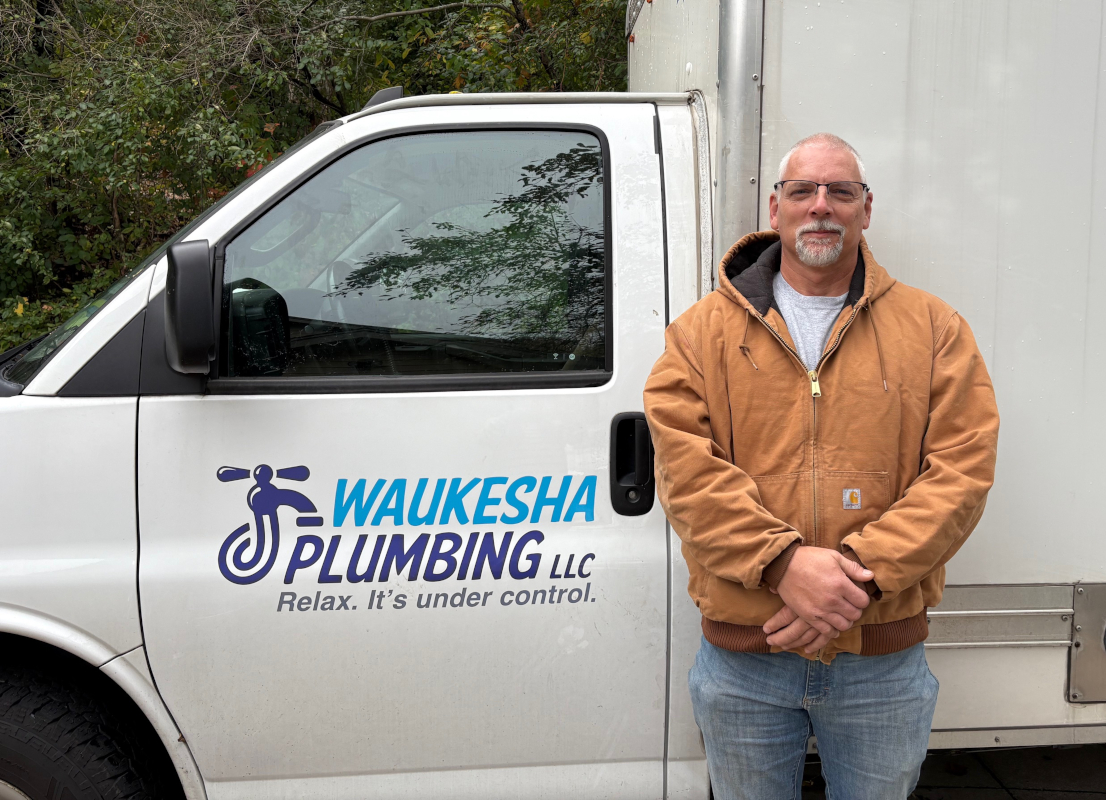
I started Waukesha Plumbing in 2006 because I saw too many plumbers cutting corners and treating customers like one-time transactions. My approach has always been different. I believe in doing quality work that is built to last, along with the customer service that you deserve.
When you’re ready to experience the Waukesha Plumbing difference, I invite you to contact me so I can help you make your next plumbing project a success!
Dave Treutelaar,
Master Plumber, Waukesha Plumbing LLC
Schedule a service call