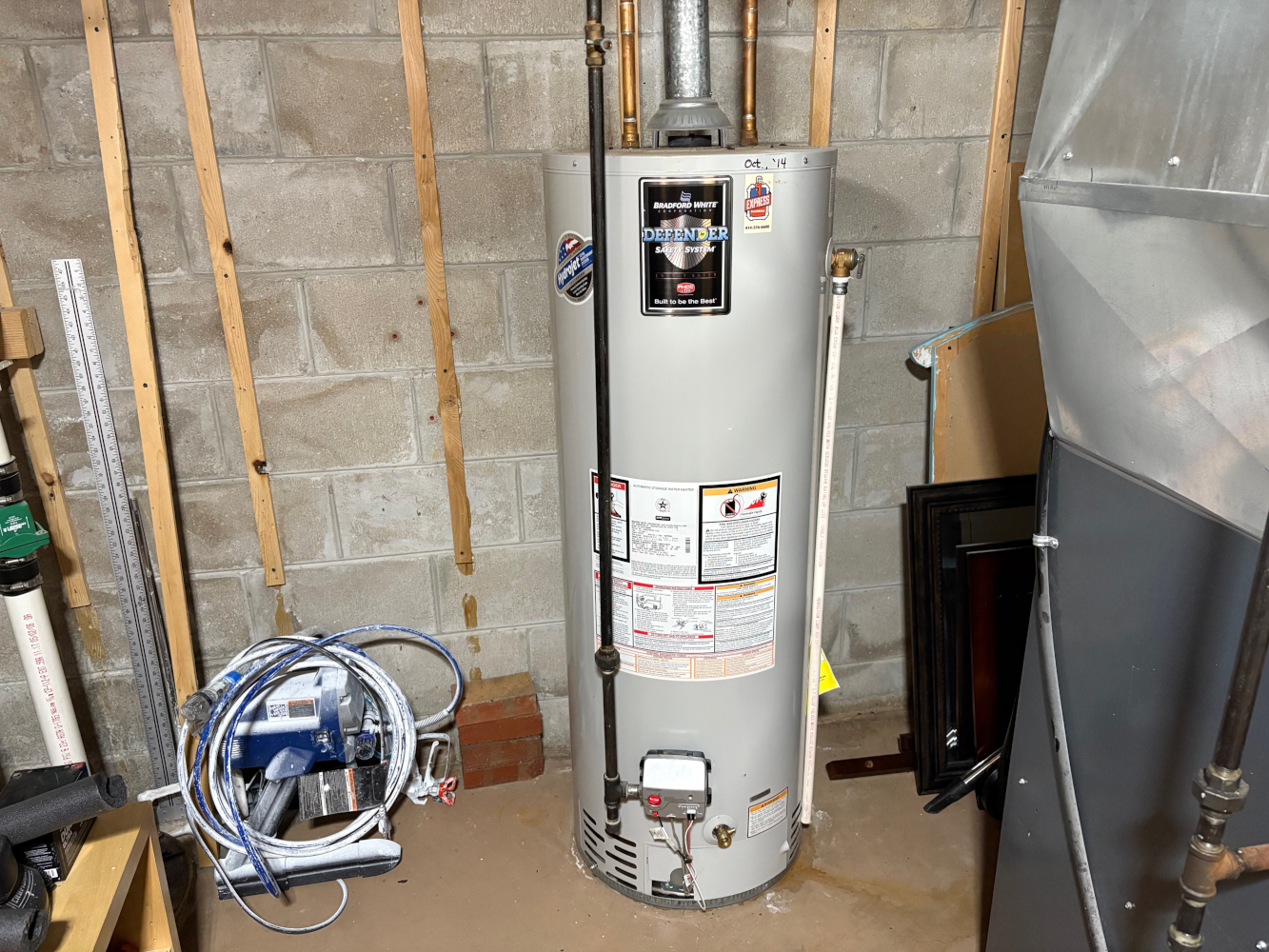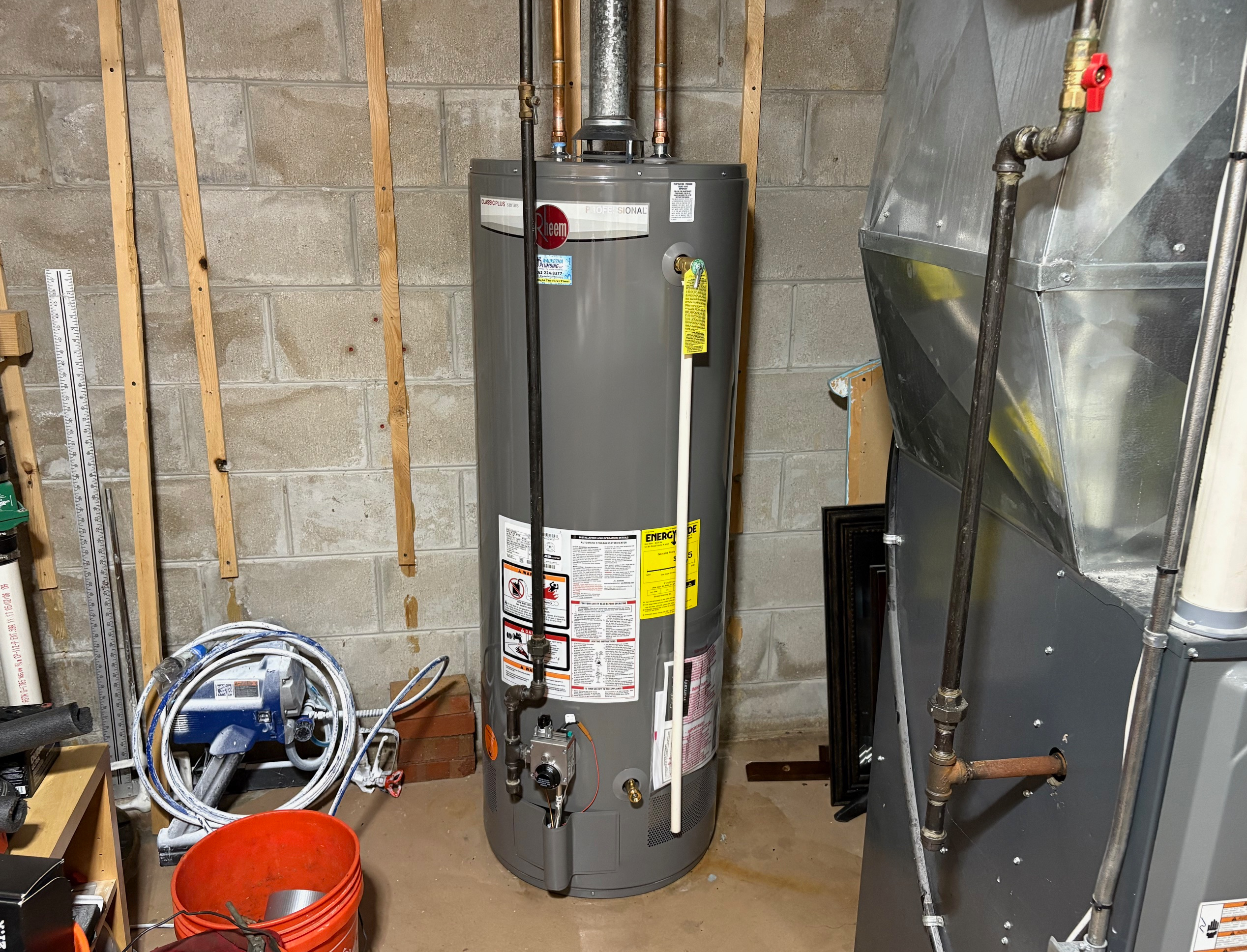
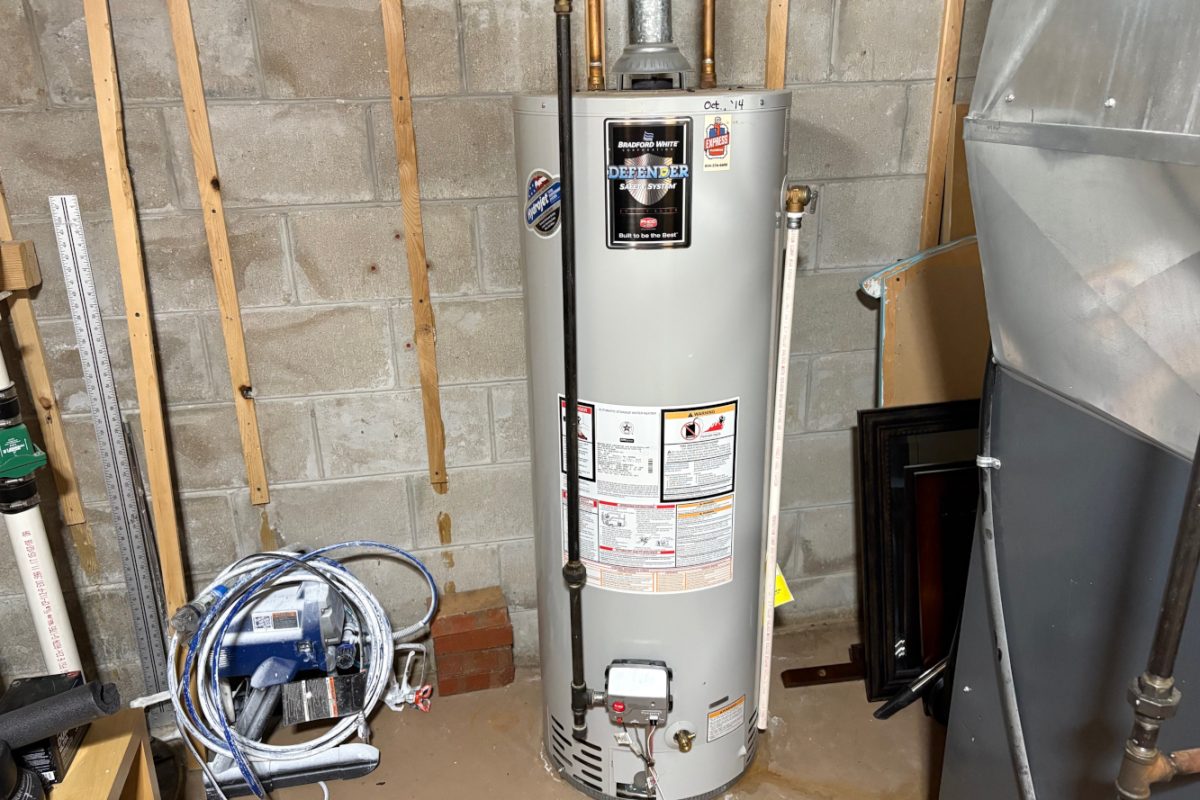
If you’re a homeowner in Waukesha, you probably don’t spend much time thinking about your water heater – until you’re standing in a cold shower or facing an unexpected repair bill. I get it. After nearly 20 years in the plumbing business here in Waukesha County, I’ve learned that most folks only worry about their water heater when something goes wrong.
But here’s the thing: a little knowledge about how hard water affects your water heater can save you thousands of dollars and years of headache. And with Waukesha’s recent switch to Lake Michigan water, there’s some good news I want to share with you.
The Great News About Waukesha Hard Water
Let me start with the positive. If you’ve lived in Waukesha for a while, you remember when our water came from deep aquifer wells. That water was hard – really hard – loaded with minerals that wreaked havoc on water heaters and plumbing systems throughout our community.
In October 2023, the Waukesha Water Utility made a game-changing switch to 100% Lake Michigan water. This new source is at least 60% softer than what we had before. For homeowners, this means significantly less mineral buildup in your pipes and appliances going forward. Many families are even discovering they don’t need their water softeners anymore, which means savings on salt, maintenance, and rental fees.
This is a big win for our community, and it’s sustainable for the long haul since the water returns to Lake Michigan through the Root River.
But Here's What You Need to Know
Even with softer water flowing through Waukesha homes today, many water heaters are still dealing with years of accumulated mineral damage from the old water source. And understanding how hard water affects your water heater is critical to getting the most life out of this expensive appliance.
Your water heater is one of the hardest-working appliances in your home. It’s also one of the most vulnerable to hard water damage.
How Minerals Attack Your Water Heater
When water heats up, something interesting happens: those dissolved minerals (primarily calcium and magnesium) separate from the water much faster and form a crusty buildup called scale or limescale. This happens throughout your water heater – in the tank, on the heating elements, in the pipes, everywhere the hot water touches.
Think of it like the mineral deposits you see on your shower head or coffee maker, except it’s happening inside a 40 or 50-gallon tank where you can’t see it.
This scale causes three major problems that cost you money:
1. Your Energy Bills Go Up
2. Your Water Heater Fails sooner
A quality water heater should last about 12-15 years with proper maintenance. But hard water can cut that lifespan in half or worse.
The constant strain of working harder accelerates wear and tear on all the components. The elevated temperatures caused by mineral insulation speed up corrosion and oxidation. For electric models, scale buildup around heating elements causes them to burn out prematurely.
I’ve seen too many Waukesha homeowners forced to replace water heaters at 7 or 8 years old when they should have gotten another 5-7 years of reliable service. That’s not just inconvenient – that’s hundreds or thousands of dollars you didn’t plan to spend.
3. You Run Out of Hot Water Faster
Warning Signs Your Water Heater Needs Attention
Your water heater will usually tell you when it’s struggling with mineral buildup. Here are the signs I tell Waukesha homeowners to watch for:
Strange Noises: If you hear popping, crackling, or rumbling sounds coming from your water heater, that’s hardened mineral scale cracking from temperature changes. It’s not normal, and it shouldn’t be ignored.
Running Out of Hot Water: If you used to have plenty of hot water and now you’re running out faster, sediment is likely stealing your tank capacity.
Slow or Inconsistent Hot Water: Does it take forever for hot water to reach your faucet? Are you getting surprise cold bursts in the shower? These are signs that mineral buildup is interfering with your heater’s ability to maintain steady temperature.
Rising Energy Bills: An unexplained jump in your gas or electric bill could be your water heater crying for help, working overtime to push heat through mineral insulation.
What Waukesha Homeowners Should Do
1. Get Your Water Softener Situation Right
This is specific to Waukesha, and it’s important. With our new Lake Michigan water, many homes don’t need water softeners anymore. The city has an ordinance that requires action:
If you’re keeping your softener, it must be optimized by January 1, 2025. Adjusting to 8 grains per gallon is a start, but professional optimization is required to meet the ordinance.
If you’ve bypassed your softener and like the water quality, consider having it removed completely. An unused softener sitting in your plumbing system can cause water quality problems like bacterial growth or discolored water.
Not sure what to do? Call Waukesha Water Utility at (262) 524-3628 or visit waukesha-wi.gov/softener. And I’m always happy to discuss your specific situation.
2. Invest in Annual Professional Maintenance
This is the single most important thing you can do to extend your water heater’s life. Here’s what a proper maintenance visit should include:
Tank Flushing: Your plumber should drain and flush the tank to remove accumulated sediment. For tankless systems, this means running a descaling solution through the unit. This should happen at least once a year. If you had hard water for years (like most Waukesha homes did), you might benefit from more frequent flushing initially.
Anode Rod Inspection: This is the part most homeowners have never heard of, but it’s critical. The anode rod is a sacrificial component that protects your tank from corrosion. It attracts corrosive elements so your tank doesn’t corrode instead. Hard water exhausts this rod faster. Once it’s worn out, your tank starts corroding, and that’s when leaks and failures happen.
If you use a water softener (which replaces minerals with sodium), this can actually accelerate anode rod deterioration, making regular inspection even more important.
A qualified plumber can check your anode rod during annual maintenance and replace it if needed. This relatively inexpensive part can add years to your water heater’s life.
3. Adjust Your Water Temperature
Quality Work Pays Off
Your water heater represents a significant investment in your home’s comfort and functionality. With Waukesha’s improved water quality and smart maintenance, you can protect that investment and get every year of service your water heater was designed to provide.
If you’re in Waukesha or the surrounding areas and want to ensure your water heater is protected from mineral damage, I invite you to contact Waukesha Plumbing. We’ll inspect your system, flush out any accumulated sediment, check your anode rod, and give you honest recommendations about what your water heater needs.
No surprises, no hidden costs – just straightforward service from a local business that wants to be your plumber for a lifetime, not just for a day.
Call Waukesha Plumbing today to schedule your water heater maintenance service. Let’s make sure your water heater gives you all the years of reliable service you paid for.
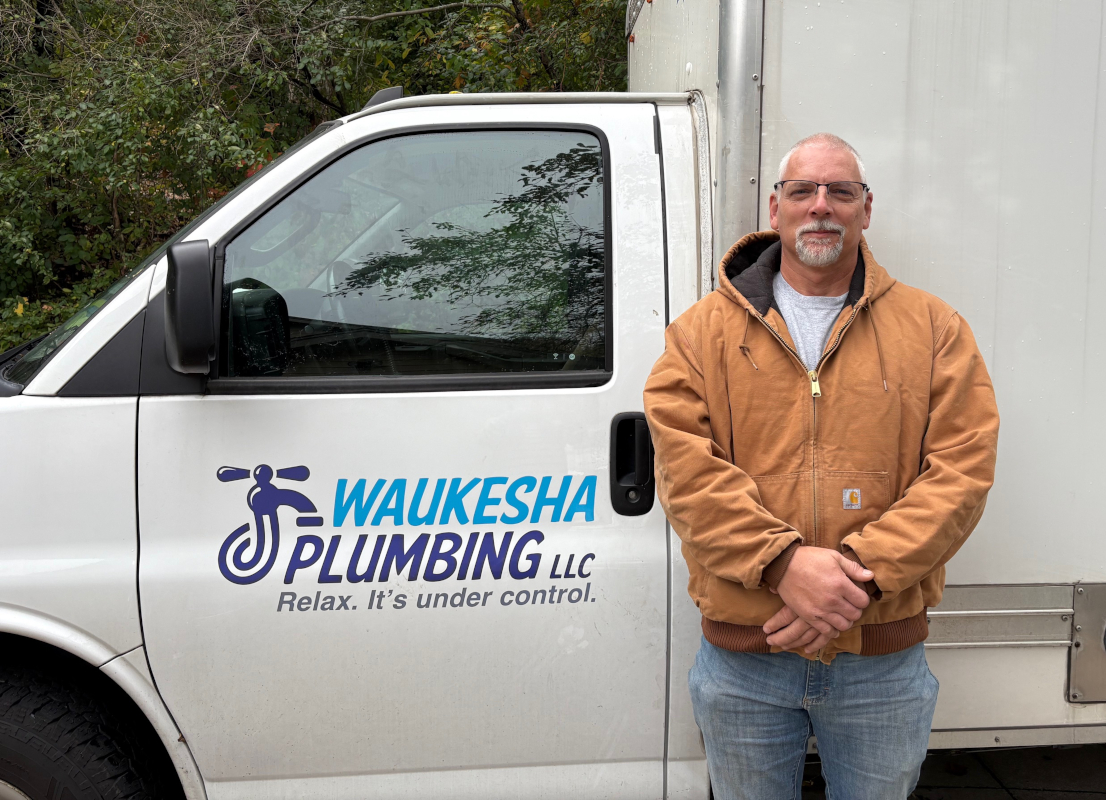
I started Waukesha Plumbing in 2006 because I saw too many plumbers cutting corners and treating customers like one-time transactions. My approach has always been different. I believe in doing quality work that is built to last, along with the customer service that you deserve.
When you’re ready to experience the Waukesha Plumbing difference, I invite you to contact me so I can help you make your next plumbing project a success!
Dave Treutelaar,
Master Plumber, Waukesha Plumbing LLC
Schedule a service call